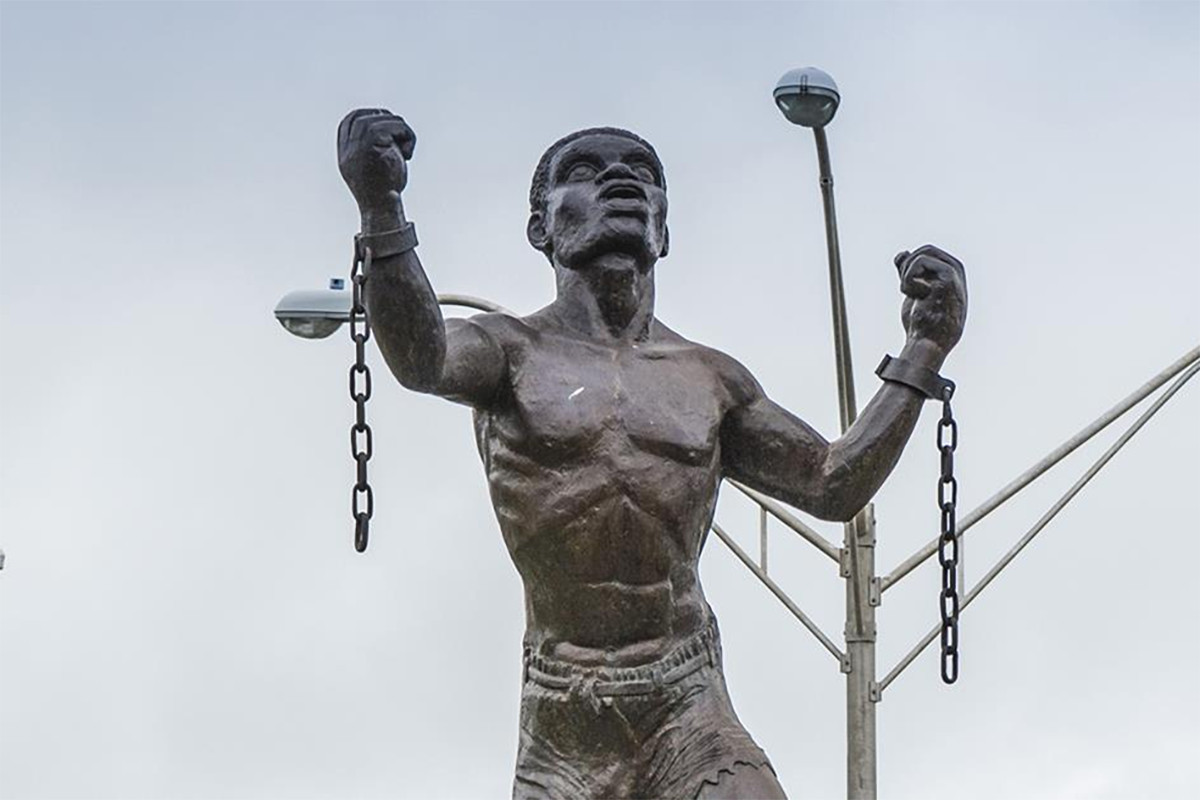
August 1, 1838 is immortalized in History, as the enslaved in Barbados and the rest of the British dominion finally were awarded the full freedom that they had been fighting for and looking forward to for generations. Before they were granted their freedom, the enslaved was of the opinion that their liberty was being withheld and some insurrections or planned insurrections were predicated on this belief.
However, the movement toward the abolition of slavery in the British Empire was a slow and arduous one but an incremental journey. The first dent in the system was the Act for the Abolition of the Slave Trade, which was passed in 1807, halting the practice of Black Africans being captured and transported from Africa to any British territory. A victory for the opponents of the institution of slavery.
Then in August 1834, another chink in the armour came with the Bill for the Abolition of Slavery, but with a delay to full freedom, in the form of the Apprentice System. The proponents of the system purported that the enslaved were incapable of leading productive lives as free people and needed a period of adjustment.
It was also felt that on the date that full freedom came, there would be mass riots and chaos.
The authorities in Barbados were not exempt from this belief and security services were set in place to manage what they believed would be unruly, treacherous behaviour by the formerly enslaved against the oligarchy and other principal figures who were in charge on the island.
They were in for a big surprise. The historical record informs us of the stately, prayerful, and peaceful atmosphere that prevailed across the islands of the English- speaking Caribbean on that momentous day.
In Barbados church bells rang out, and many of the formerly enslaved attended church services, giving thanks to God for allowing them to see this day. Services held in the morning and evening were filled to capacity, and attendees were forced to stand outside the churches. It was a celebratory occasion, focused on thanksgiving. A fit ending to a harsh way of life.
On August 1, 1838, the enslaved in Barbados and across the British Empire legally gained their freedom, and peacefully accepted this centuries long awaited outcome. However, on that day Samuel Jackman Prescod pronounced his hope, that true freedom with all its privileges would be extended to the formerly enslaved. As Bajans would say, his words did not drop to the ground. From 1838 to 1937, a pseudo freedom existed, and it is said that the lives of the formerly enslaved in Barbados were more difficult than before emancipation. Subsequently, over one hundred years would past, before the advent of any form of true freedom would be realized by the formerly enslaved.
